
Organic sanitary pads are menstrual pads made primarily from organic cotton, offering a more natural and sustainable alternative to conventional pads. The main difference lies in their composition, with organic pads avoiding synthetic materials, harsh chemicals, and prioritizing eco-friendly practices.
What are Organic Sanitary Pads?
Organic sanitary pads are designed with a focus on natural materials and minimizing exposure to potentially harmful substances. They typically use **certified organic cotton** as the primary absorbent material, often sourced from farms that adhere to strict environmental standards.
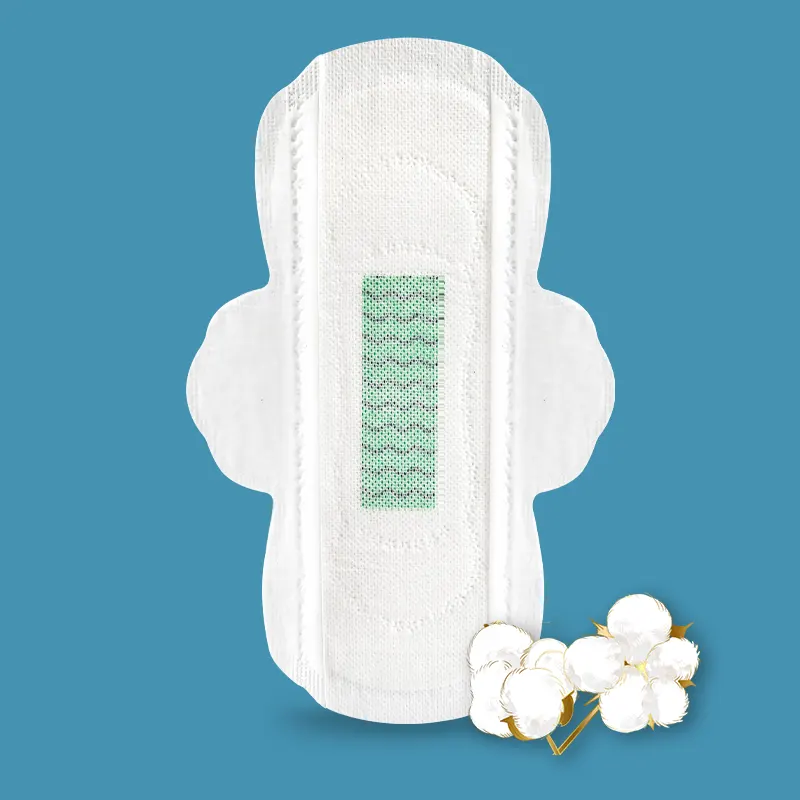
Key Materials and Features
- Organic Cotton: The absorbent core and topsheet are usually made from 100% GOTS (Global Organic Textile Standard) and ICEA (Ethical and Environmental Certification Institute)-certified organic cotton.
- Absence of Harmful Additives: They are chlorine-free (no chlorine bleaching), unscented (avoiding perfumes), and often free from plastics, superabsorbent polymers (SAPs), and PFAs (per- and polyfluoroalkyl substances).
Biodegradable and Sustainable Design: Many organic pads feature biodegradable, compostable, and plastic-free packaging, reducing environmental impact.
Suitable for Sensitive Skin: Designed to minimize exposure to harsh chemicals and synthetic fibers, making them ideal for individuals with sensitive skin or prone to irritation.
What are Regular Pads?
Regular pads, also known as conventional pads, are the more widely available option and are typically made from a combination of materials, often including synthetic fibers, plastics, and chemical additives.
Key Materials and Features
- Synthetic Materials: Commonly made from a blend of materials, including rayon, wood pulp, and plastics.
- Chemical Additives: May contain chlorine for bleaching, fragrances, dyes, and SAPs for absorbency.
- Conventional Packaging: Often packaged in plastic, contributing to plastic waste.
Key Differences: Organic Pads vs. Regular Pads
The primary differences between organic and regular pads can be summarized as follows:
| Feature | Organic Pads | Regular Pads |
| Materials | Organic cotton, natural components | Synthetic fibers, plastics, wood pulp |
| Chemicals | Chlorine-free, unscented, no synthetic dyes | May contain chlorine, fragrances, dyes, SAPs |
| Sustainability | Biodegradable, compostable packaging | Often plastic packaging |
| Skin Sensitivity | Gentle, suitable for sensitive skin | Can cause irritation due to chemicals and synthetics |
| Environmental Impact | Lower environmental impact, reduced waste | Higher environmental impact, more plastic waste |
Benefits of Choosing Organic Sanitary Pads
Choosing organic sanitary pads can offer several benefits:
- Reduced Exposure to Chemicals: Minimizes contact with potentially irritating chemicals and synthetic materials.
- Eco-Friendly Choice: Supports sustainable practices and reduces environmental impact through biodegradable materials and packaging.
- Comfort for Sensitive Skin: Provides a gentler option for individuals prone to irritation or allergies.
- Ethical Production: Often produced by companies with a commitment to ethical sourcing and manufacturing practices.
Considerations When Choosing Organic Pads
When selecting organic sanitary pads, consider the following:
- Certifications: Look for GOTS or ICEA certifications to ensure the organic integrity of the cotton.
- Ingredient Transparency: Check for full ingredient disclosure to understand the composition of the pads.
- Absorbency Levels: Choose pads that match your flow level (light, regular, heavy).
- Pad Type: Consider your preferred type (ultra-thin, with wings, maxi, etc.).
Conclusion
In conclusion, the difference between organic sanitary pads and regular pads lies primarily in the materials used and the manufacturing processes. Organic pads offer a more natural, sustainable, and often gentler option for menstrual hygiene, prioritizing the use of organic cotton and avoiding harsh chemicals. While there is no definitive scientific consensus that organic pads are universally superior in terms of health, they appeal to those seeking to reduce their exposure to synthetic materials and minimize their environmental footprint.