Choosing the right sanitary pad manufacturer in China is not simply about finding the lowest price.
For importers, distributors, private label brands, and wholesalers, the more important questions are whether the factory can consistently produce the quality you need, support your packaging requirements, meet your target price, and deliver repeat orders on time.
A sanitary pad may look like a relatively simple product, but its performance depends on many details, including the topsheet, absorbent core, SAP content, fluff pulp, backsheet, adhesive, shape, thickness, and packaging.
This guide explains the main points B2B buyers should check before selecting a sanitary pad manufacturer in China.
1. Confirm Whether You Are Dealing With a Manufacturer or Trading Company
The first step is understanding who is actually producing your sanitary pads.
A trading company is not necessarily a bad choice. Some trading companies provide good sourcing and export services. However, if you need OEM or private label sanitary pads, direct communication with the manufacturer usually gives you better control over product specifications, samples, production changes, and quality requirements.
Before placing an order, ask the supplier for information such as:
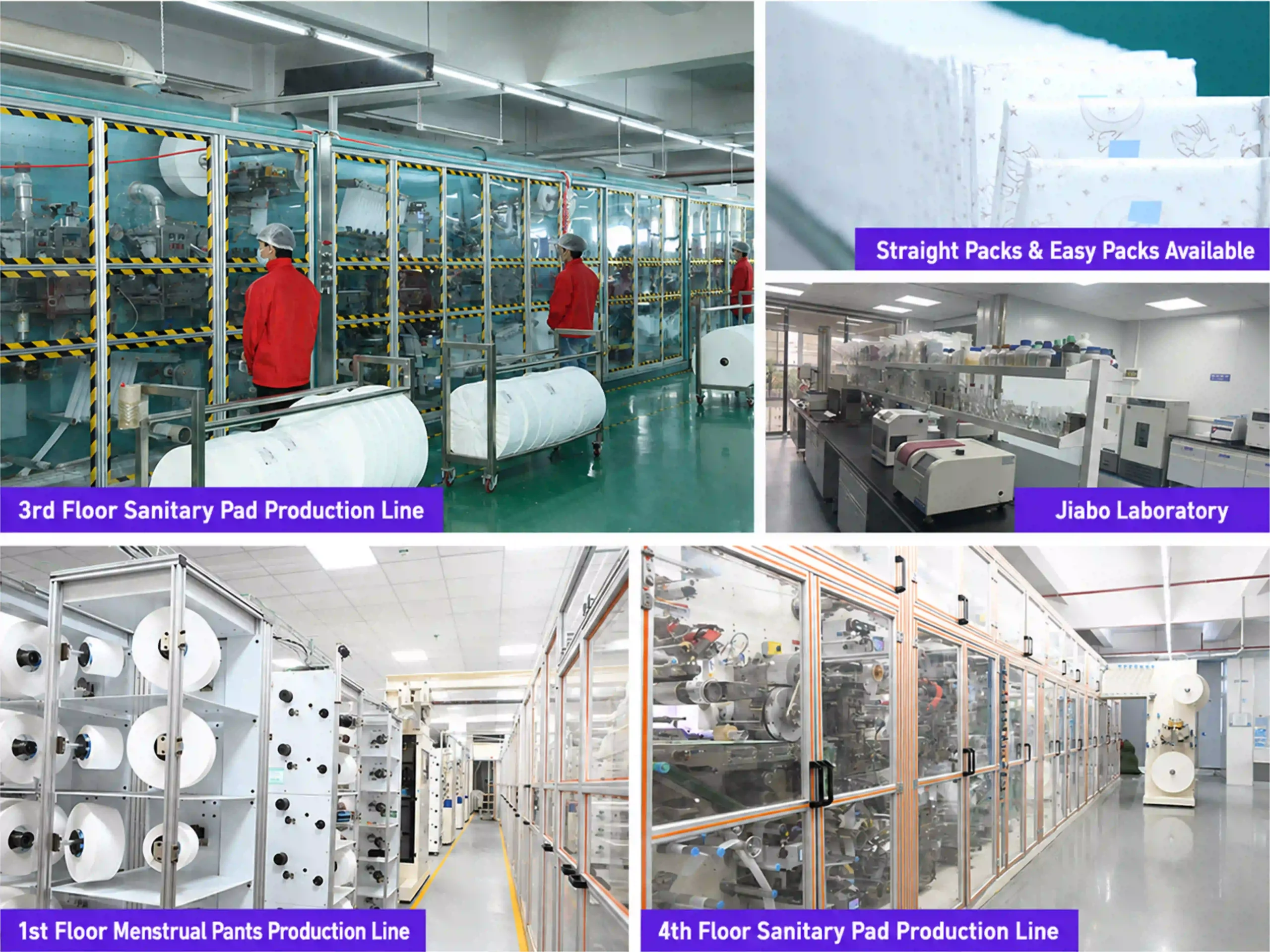
- Factory photos and production videos
- Number and type of sanitary pad production lines
- Main products manufactured in-house
- Production and packing capabilities
- Quality inspection procedures
- Business and manufacturing certifications
- Export markets
- OEM and private label experience
For larger projects, a factory audit or third-party inspection can provide additional verification.
2. Check What Types of Sanitary Pads the Factory Can Produce
Not every sanitary pad factory has the same production capability.
Some manufacturers mainly produce standard economic sanitary pads, while others can manufacture multiple structures, materials, thicknesses, absorbency levels, and packaging formats.
Depending on your market, you may require products such as:
- Ultra-thin sanitary pads
- Maxi or thick sanitary pads
- Day-use pads
- Night-use pads
- Winged sanitary pads
- Wingless sanitary pads
- Panty liners
- Extra-long sanitary pads
- Soft nonwoven topsheet pads
- Cotton-feel topsheet pads
- Customized absorbency products
Before requesting a quotation, confirm that the manufacturer’s production line can handle the exact specifications you need.
This is especially important if you already have an existing product or reference sample that you want the factory to match.
3. Evaluate the Raw Materials
Raw materials have a major effect on sanitary pad comfort, absorption, leakage protection, and price.
When comparing manufacturers, do not only ask:
“What is your price per piece?”
Ask what materials are included in that price.
A typical sanitary pad may contain:
- Nonwoven or perforated topsheet
- Acquisition or distribution layer
- Fluff pulp
- Super Absorbent Polymer (SAP)
- Tissue paper
- PE or breathable backsheet
- Release paper
- Hot-melt adhesive
- Side wings
- Individual wrapper
Two sanitary pads with the same size and similar appearance can have very different costs because their material specifications are different.
For OEM projects, ask the manufacturer whether the materials can be adjusted according to your target quality and price range.

4. Ask About Absorbency and Product Performance
Absorbency should not be judged only by pad length or thickness.
The construction of the absorbent core, SAP quantity, fluff pulp ratio, distribution of absorbent material, and product design all affect performance.
Ask your sanitary pad manufacturer about:
- Absorption capacity
- Absorption speed
- Liquid distribution
- Rewet performance
- Leakage protection
- Adhesive strength
- Wing adhesion
- Product thickness
- Core stability
If possible, compare physical samples instead of making a purchasing decision based only on specifications sent by email.
For private label projects, sample testing is one of the most important steps before mass production.
5. Understand the Manufacturer’s OEM and Private Label Capabilities
If you are building your own sanitary pad brand, you will need more than a standard wholesale product.
A suitable OEM sanitary pad manufacturer should be able to discuss customization options such as:
- Pad length
- Pad thickness
- Absorbency level
- Topsheet material
- Core structure
- SAP content
- Embossing pattern
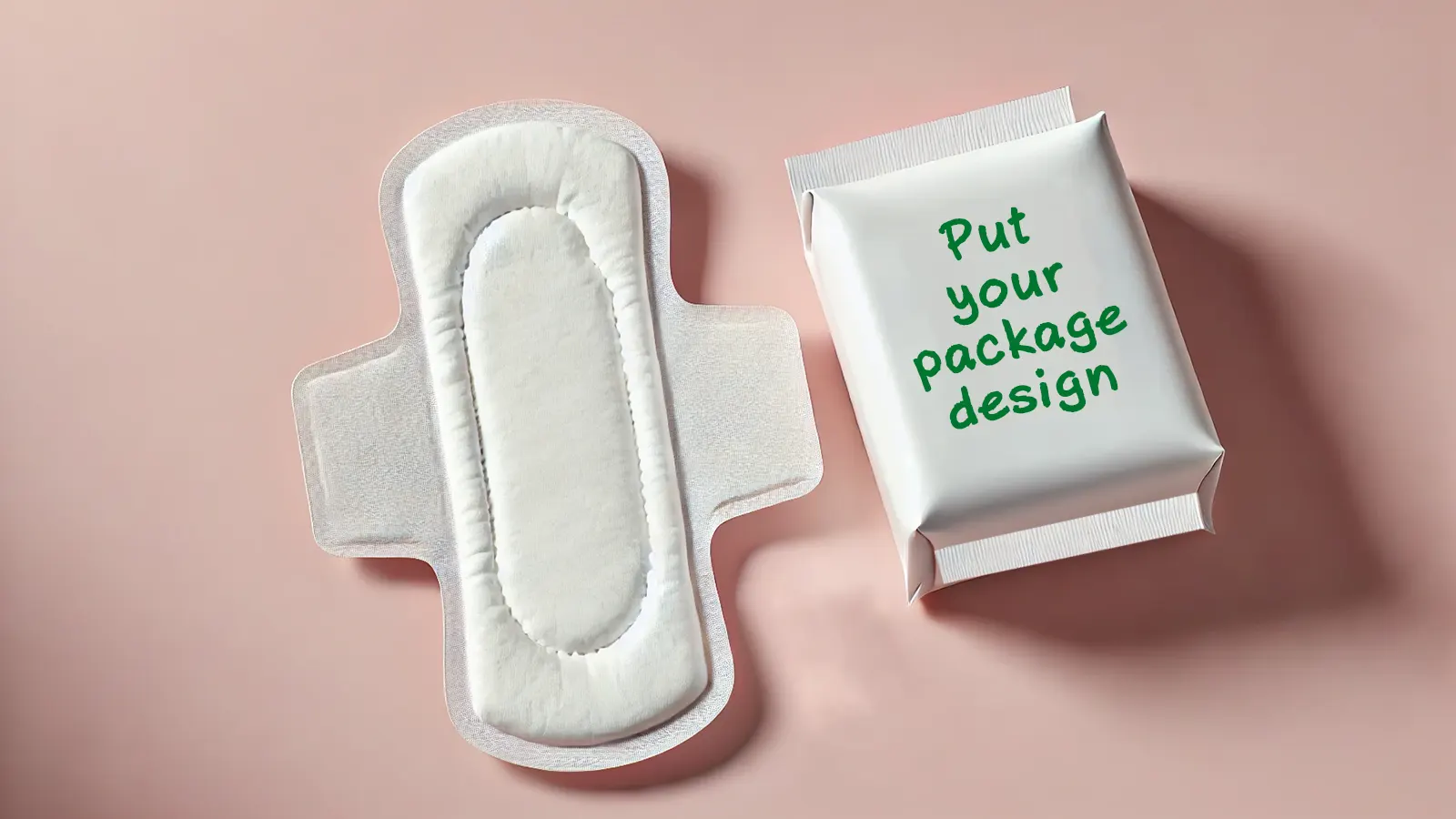
- Individual wrapper
- Inner bag
- Outer packaging
- Pack quantity
- Carton design
Some buyers already have complete product specifications and artwork.
Others only have a target market, price level, and reference product.
A good manufacturer should be able to recommend a workable product configuration based on your requirements rather than simply sending a standard price list.
6. Ask About MOQ Before Developing the Product
MOQ is one of the most important issues for new sanitary pad brands.
The minimum order quantity may depend on several factors, including:
- Product specification
- Number of sizes
- Customized packaging
- Printing requirements
- Raw material customization
- Production line setup
- Number of SKUs
For example, ordering one standard sanitary pad with existing packaging is usually easier than developing several customized sizes with completely different printed bags.
If you are launching a new brand, tell the manufacturer your expected order volume early.
The factory can then recommend a more practical combination of product specifications and packaging.
7. Do Not Compare Quotations Based Only on Unit Price
One of the most common sourcing mistakes is comparing sanitary pad quotations only by price per piece.
A lower price may result from differences in:
- Product weight
- SAP quantity
- Fluff pulp content
- Topsheet quality
- Backsheet material
- Adhesive
- Individual packaging
- Pack quantity
- Carton quantity
- Product thickness
- Absorption performance
When requesting quotations from multiple manufacturers, send the same specification to each supplier.
A useful RFQ should normally include:
Product type: Ultra-thin / Maxi / Panty liner
Size: For example, 240 mm / 290 mm / 320 mm
Topsheet: Soft nonwoven / cotton-feel / perforated
Absorbent core: Required structure or target performance
Thickness: Target thickness if applicable
Packaging: Pieces per pack and packs per carton
Order quantity: Estimated quantity per size
Branding: OEM / private label / neutral packaging
Destination: Import country or port
This makes supplier quotations much easier to compare.
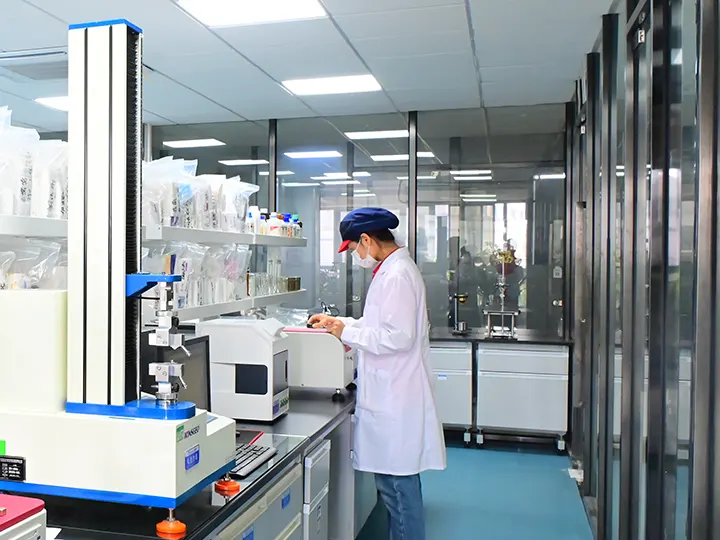
8. Review the Factory’s Quality Control Process
Stable quality is especially important for repeat sanitary pad orders.
A sample can be excellent, but the real test is whether the manufacturer can maintain similar quality during mass production.
Ask how the factory controls:
- Incoming raw materials
- Product dimensions
- Product weight
- SAP and absorbent core
- Adhesive application
- Packaging
- Product appearance
- Batch identification
- Finished product inspection
You should also ask how quality problems are handled if a batch does not meet the approved specifications.
Clear specifications and approved samples should be confirmed before mass production.
9. Check Certifications and Requirements for Your Market
Certification requirements vary by country and customer.
Before ordering, confirm which documents are required for your destination market.
Depending on the project, buyers may ask manufacturers for documents relating to:
- Quality management
- Product testing
- Raw material safety
- Hygiene control
- Factory inspection
- Export documentation
Do not assume that one certificate automatically makes a product suitable for every country.
Your importer, distributor, customs broker, or local regulatory consultant should confirm the requirements for your specific market.
10. Evaluate Packaging Capability
Packaging is extremely important for private label sanitary pads.
For retail products, the packaging often influences purchasing decisions almost as much as the product itself.
Before confirming an order, discuss:
- Individual wrapper design
- Inner bag dimensions
- Number of pads per pack
- Printing colors
- Barcode
- Product information
- Language requirements
- Outer carton
- Shipping marks
You should also confirm whether the packaging supplier requires a separate MOQ.
Customized packaging may sometimes have a higher minimum quantity than the sanitary pads themselves.
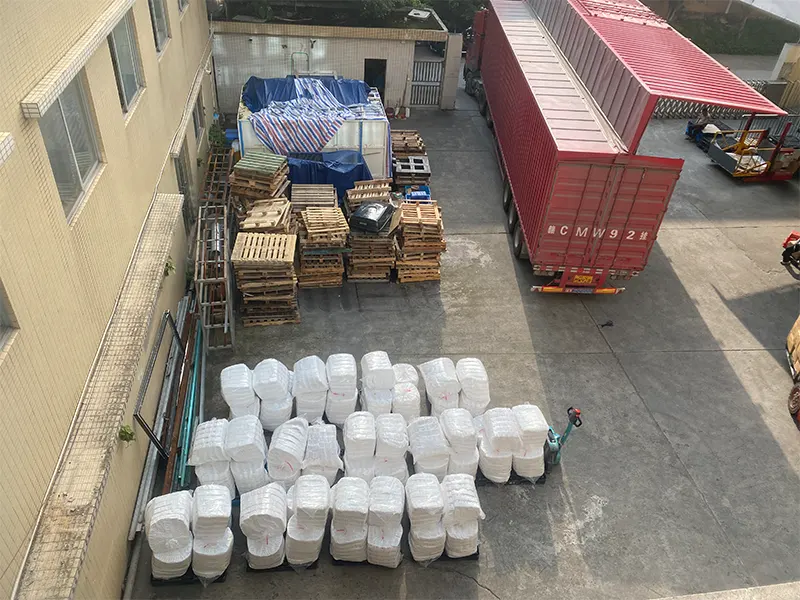
11. Check Production Lead Time and Delivery Capacity
A good price is not useful if the manufacturer cannot deliver when you need the goods.
Ask about:
- Sample lead time
- Packaging development time
- Material preparation time
- Mass production lead time
- Monthly production capacity
- Peak-season availability
If you expect repeat orders, discuss your future volume with the manufacturer.
This helps the supplier determine whether its production capacity can support your business as it grows.
12. Start With Samples Before Placing a Large Order
For a new supplier, it is usually better to evaluate samples before moving directly to mass production.
You can compare:
- Surface softness
- Thickness
- Absorption
- Rewet
- Adhesive performance
- Pad shape
- Packaging quality
- Overall workmanship
If you already sell sanitary pads in your market, sending your current product or a competitor reference sample can also make communication much easier.
The manufacturer can evaluate the sample and recommend a similar or adjusted specification.
13. Communication Is Also Part of Supplier Evaluation
Many sourcing problems are not caused by production itself.
They are caused by unclear communication.
A reliable sanitary pad manufacturer should be able to answer technical questions clearly and confirm important specifications in writing.
Pay attention to whether the supplier:
- Understands your product requirements
- Provides complete specifications
- Explains price differences
- Responds clearly to customization requests
- Confirms packaging details
- Identifies potential problems before production
If a supplier only talks about price but avoids discussing product specifications, quality standards, or production details, additional verification may be necessary.
Sanitary Pad Manufacturer Checklist
Before choosing a sanitary pad factory in China, confirm the following points:
- Is the supplier an actual manufacturer?
- Can the factory produce your required sanitary pad type?
- Are the raw materials clearly specified?
- Have you tested product samples?
- Can the manufacturer support OEM or private label production?
- Is the MOQ suitable for your project?
- Are quotations based on the same specifications?
- Does the factory have a clear quality control process?
- Are the required documents available for your market?
- Can the factory produce your customized packaging?
- Is the production lead time acceptable?
- Can the supplier support future repeat orders?
Looking for a Sanitary Pad Manufacturer in China?
Choosing a manufacturer should be based on more than price.
The right supplier should be able to understand your target market, recommend appropriate product specifications, provide samples, support customized packaging, control production quality, and maintain stable supply for repeat orders.
If you are sourcing OEM or private label sanitary pads, prepare the following information before requesting a quotation:
Size + Product Type + Topsheet + Absorbency Requirement + Packaging + Quantity + Target Market
With these details, the manufacturer can recommend a more accurate product configuration and provide a more meaningful quotation.